I’ve always identified as a Xennial—that micro-generation caught in the “Goldilocks” zone between Gen X and Millennials. We’re the bridge. We remember life before the internet, but we were young enough to build the tools that defined it.
But looking back at my career path, I’ve realized I’m actually Xennial Squared. I didn’t just live through the digital revolution; I lived through the total transformation of the ticketing industry, from physical lines at the mall to the high-frequency systems I build today.
Here’s how I traded the sidewalk for the server room.
The Pivot: From Games to Tools
My tech education didn’t happen in a classroom. It started with a BBS (Bulletin Board System) where I distributed pirated copies of Duke Nukem and EA Sports titles.
At the time, I thought I was just a kid playing with games. In reality, I was learning how systems work, how demand moves through a network, and how to optimize distribution.
The “aha!” moment wasn’t a high score, though. It was an amortization calculator I found on AOL. I showed it to my parents and realized that computers weren’t just for entertainment—they were tools for solving real-world problems instantly.
Insider Insight: If you want to understand any industry, stop looking at the “fun” front-end and start looking at the utility. The most valuable systems aren’t the ones that entertain; they’re the ones that remove friction.
The Beastie Boys and the Luck of the Draw
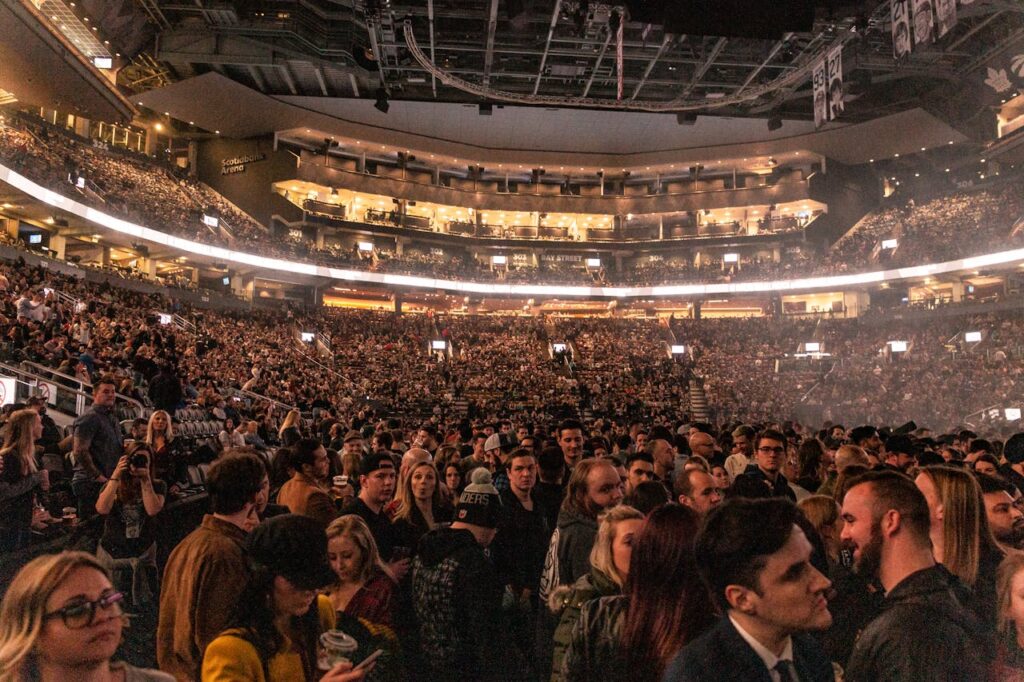
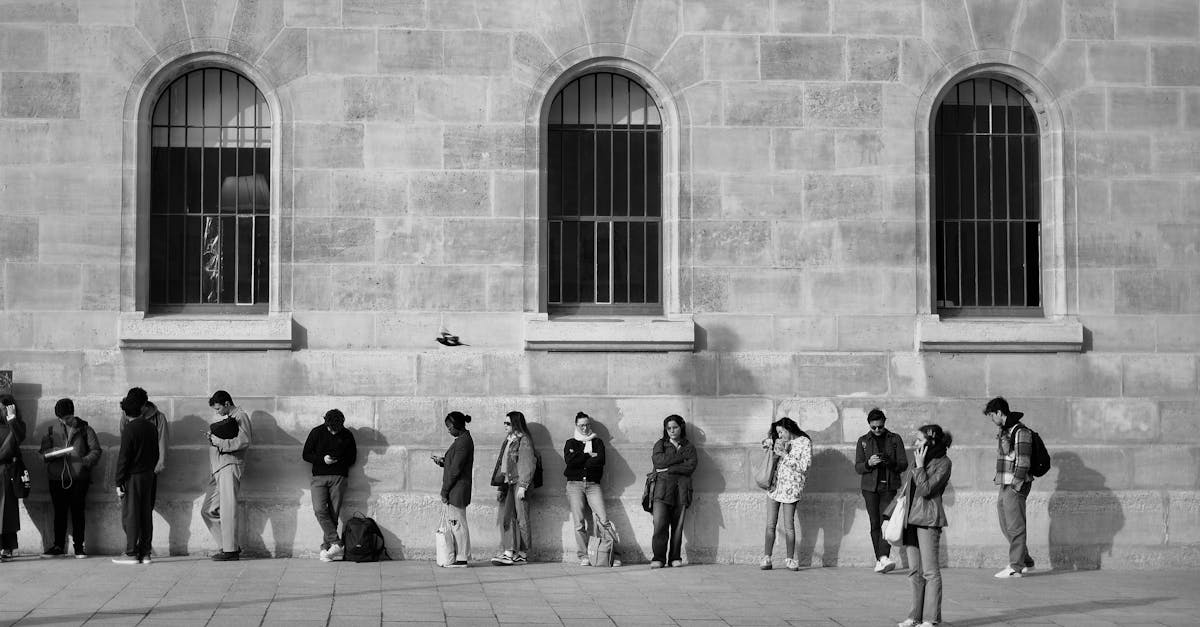
My first real ticket win was for the Beastie Boys’ Hello Nasty tour. I stood in a physical line at a department store, entered a lottery, and walked away with four pit tickets.
At 17, I thought I was just lucky. I didn’t realize I was witnessing a dying model: Geography-based scarcity. If you weren’t physically at the mall, you didn’t get the tickets. That barrier was about to vanish.
The Coke Bottle Arbitrage
In college at Mizzou, I got my first masterclass in market inefficiency.
A senior was making thousands of dollars a day through a Coca-Cola promotion: one in six bottle caps equaled a free football ticket. Since a soda cost a dollar, a ticket effectively cost six bucks.
We scaled it. We followed delivery trucks, emptied vending machines, and hit redemption centers like a tactical unit. I was a freshman making $50 an hour just helping with the legwork.
What I learned:
- Supply and Demand are Fluid: A ticket for a small game might be worth $10; for Nebraska or Texas, it was $50+.
- Systems Have Gaps: If you find an inefficiency and have the work ethic to exploit it, you win.
The Digital Shift (And the $3,000 Day)
By the late ’90s, high-speed campus internet changed everything. Suddenly, I could buy tickets via a browser faster than a guy at a mall kiosk could type.
We used primitive automation—multiple tabs and form-fillers. It was the Wild West. The day I made $3,000 flipping Cubs tickets from my dorm room was the day I realized I didn’t want a “safe” corporate job.
When the dot-com bubble burst, I took a hard look at my skills. I was a decent programmer, but I wasn’t a “rockstar” coder. However, I understood the business of systems better than anyone in my CS classes. I pivoted, got my MBA, and went all-in on ticketing.
My “Xennial Squared” Tips for the Modern Market
If you’re looking at today’s high-tech ticketing landscape, keep these three things in mind:
- Understand the Architecture: Most people think ticketing is about “buying a seat.” It’s actually about database management and concurrency. The “system” is just a giant gatekeeper managing thousands of requests per second.
- Scarcity is Often Artificial: In the digital age, scarcity is usually a business choice, not a physical reality. Knowing who controls the inventory (and when they release it) is more important than how fast your internet is.
- Soft Skills + Tech = The Edge: You don’t need to be the best coder in the world if you understand the underlying economics of the system you’re building for.
I’m “Xennial Squared” because I’ve seen both sides—the physical line and the digital code. And honestly? The code is a lot more comfortable than the sidewalk.