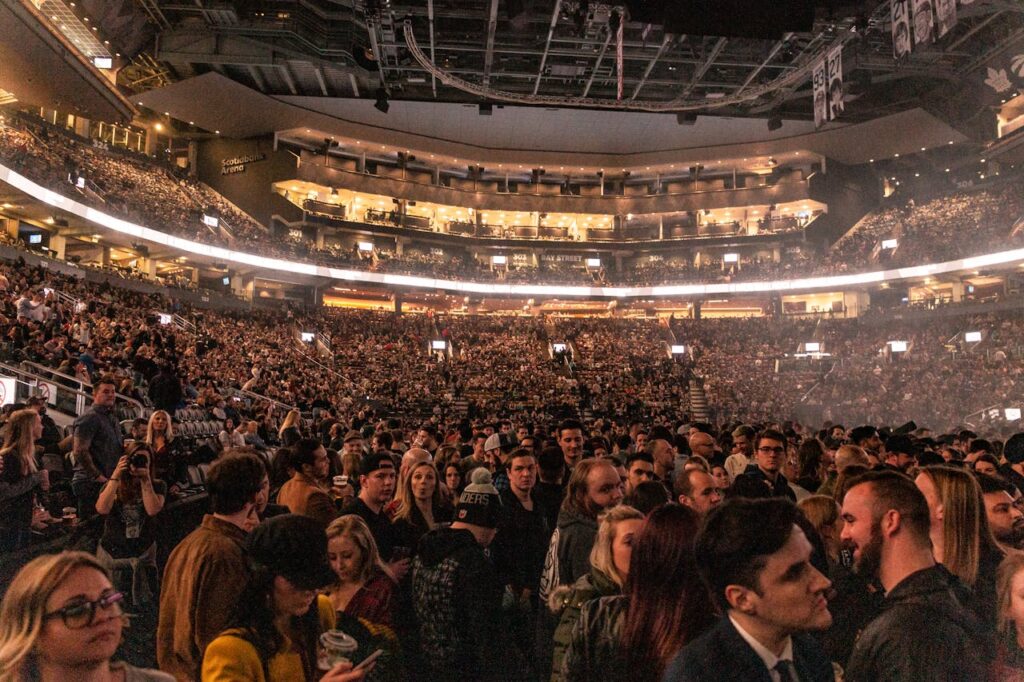

When most people think about investing, they think about stocks, startups, or real estate. But ticket brokers have access to a unique opportunity: investing in live entertainment.
The best brokers aren’t simply buying tickets for artists who are already popular. They’re identifying artists who are about to become popular.
In many ways, successful ticket brokers operate like venture capitalists. Venture capital firms look for startups before they become billion-dollar companies. Ticket brokers can look for artists before they become arena acts.
The challenge is finding those artists before everyone else does.
Fortunately, a growing number of music analytics platforms make this easier than ever.
Think Like an Investor, Not a Fan
Many brokers make decisions based on instinct, personal taste, or what they see trending on social media.
While those signals can be useful, data often tells a much clearer story.
A viral video may generate millions of views without creating a fanbase. Meanwhile, an artist with a rapidly growing audience in a handful of cities may be quietly building enough demand to sell out clubs, theaters, and eventually arenas.
The goal is to identify momentum before the market catches up.
Start with Free Data
Before paying for expensive analytics tools, there is a surprising amount of information available at little or no cost.
Spotify
Spotify artist pages reveal:
- Monthly listeners
- Popular songs
- Listener locations
- Playlist placements
Pay attention to artists whose monthly listeners are growing steadily over several months rather than artists experiencing a single viral spike.
TikTok
TikTok is often the earliest indicator of breakout demand.
Watch for:
- Repeated viral videos using the same song
- Increasing creator adoption
- Growing comment volume
- Audience requests for live performances
Instagram and YouTube
Follower growth, engagement rates, and comment activity can reveal whether an audience is actively invested in an artist rather than simply consuming content.
Look for artists whose engagement rates remain high as their audience grows.
Using Chartmetric to Find Emerging Talent
Chartmetric combines streaming, social media, playlist, and audience data into a single platform.
Its entry-level plans are relatively affordable and can provide insights that are difficult to gather manually.
Useful metrics include:
- Spotify follower growth
- Playlist additions
- Audience demographics
- Geographic listener concentration
- Artist similarity comparisons
One of the most valuable features is city-level audience data.
An artist with 20,000 listeners concentrated in Chicago may be a stronger ticket opportunity than an artist with 100,000 listeners spread evenly across the country.
For brokers, concentrated demand often matters more than total audience size.
Using Soundcharts to Spot Tour Markets
Soundcharts is particularly useful for tracking geographic demand.
The platform monitors:
- Streaming activity
- Radio airplay
- Playlist additions
- Social growth
- Audience location data
If an artist is showing rapid growth in multiple tour markets simultaneously, it may indicate that venue upgrades and additional tour dates are likely.
This is often where brokers find opportunities before tickets become difficult to acquire.
Using Songstats for Early Momentum
Songstats focuses heavily on streaming and playlist momentum.
It can help identify:
- Songs gaining traction quickly
- Playlist additions
- Streaming acceleration
- Emerging trends
Songstats is especially useful when tracking artists that are still in the early stages of their growth curve.
Many breakout tours begin with a breakout song.
What Paid Data Gives You
Free tools can reveal who is popular today.
Paid analytics often reveal who is becoming popular tomorrow.
The biggest advantages include:
Growth Velocity
Instead of looking at total followers, you can measure how quickly audiences are growing.
An artist gaining 300% over three months is often more interesting than an artist whose audience has remained flat despite being much larger.
Geographic Concentration
Understanding where fans are located helps predict which cities may support stronger ticket demand.
Playlist Intelligence
Not all streams are equal.
An artist whose growth comes entirely from a single editorial playlist may struggle to convert listeners into ticket buyers.
An artist whose growth comes from followers, saves, and repeat engagement often has stronger touring potential.
Audience Overlap
Some platforms allow you to compare audiences between artists.
If a developing artist shares significant audience overlap with an artist already selling out theaters, that may indicate a similar trajectory.
A Simple Framework for Brokers
When evaluating an artist, ask the following questions:
- Is audience growth accelerating?
- Are followers increasing along with listeners?
- Is demand concentrated in specific cities?
- Are fans engaging consistently across platforms?
- Has the artist announced larger venues than previous tours?
- Are playlist placements increasing month over month?
- Is social media growth sustained rather than viral?
The more “yes” answers you find, the stronger the opportunity may be.
The Future of Ticket Brokerage
Ticket brokerage has become increasingly data-driven.
The brokers who succeed over the next decade may look less like traditional resellers and more like analysts, investors, and talent scouts.
Just as venture capital firms search for startups before they become household names, ticket brokers can use audience data, streaming trends, and social growth signals to identify artists before they become major touring acts.
The goal isn’t simply to buy tickets.
The goal is to recognize demand before everyone else sees it.
When you can consistently identify tomorrow’s headliners today, you’re no longer reacting to the market—you’re getting ahead of it.